
The Cost Isn’t Just the Equipment
When we talk about the cost of heavy equipment, we usually mean the purchase price.
$ The monthly payment $
$ The financing rate $
$ The resale value $
But for a growing number of buyers, especially individuals and small operators, the biggest cost isn’t financial.
It’s the effort required to make a confident decision.
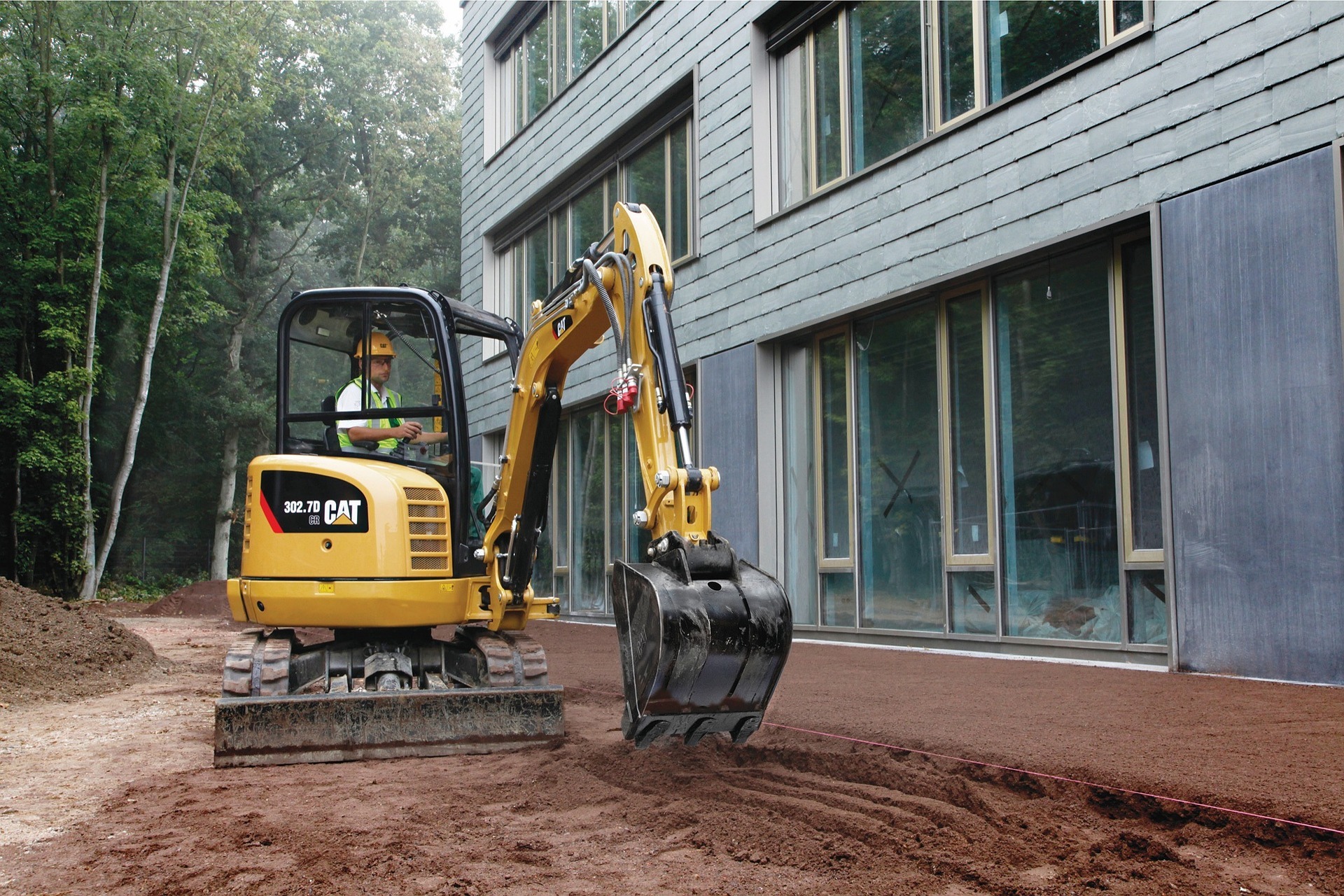
Recently, we spoke with a landowner preparing to build a home on a large rural property. To develop the land, he chose to purchase equipment rather than rent or outsource the work. What followed wasn’t just a purchase. It was a months-long process of assembling clarity from fragments. Take a look at his experience:
The Buying Process, Step by Step
To decide what to buy, he didn’t rely on a single source of truth. He couldn’t. Instead, the process looked something like this:
- Calling dealerships across multiple states to compare pricing
- Messaging a seller hundreds of miles away over Facebook
- Joining equipment groups to ask for peer advice
- Posting questions and waiting for responses from strangers
- Watching hours of YouTube videos to see attachments in action
- Searching forums to match model numbers and compatibility
- Comparing spec sheets that didn’t translate to real-world fit
- Asking dealers to send photos when inventory arrived
- Driving to local lots hoping to find something similar
Each step filled in a small gap. But none provided a complete picture. He could find technical specifications easily. Weight. Reach. Horsepower. That information was readily available But it didn’t paint the full picture. What he couldn’t see was:
- How attachments would fit together
- How large the setup would feel in practice
- Whether it would navigate his property
- How components would operate together
So he did his best to stitch together an understanding from multiple platforms and conversations. After nearly two months, he made a decision. Without ever seeing the full configuration assembled. Exhausted from the effort, and uncertain about his final choice.
The First Time He Saw It All Together
The first time he saw the equipment and attachments fully paired…was when they arrived on a truck.
Read that again. That moment reveals something important. Not about one buyer, but about the system.
Today’s heavy equipment purchasing process makes a lot of bold assumptions. It assumes that buyers can interpret specs into real-world context. It assumes that dealers can fill visualization gaps through conversations over the phone or walks through lots with sparse inventory. It assumes that manuals and onboarding will close knowledge gaps after delivery
Historically, that may have been reasonable. When purchases were concentrated among experienced crews and buyers shared similar operational backgrounds. Back when the path to purchase was shorter and more localized.
But the market has shifted, and buyers are changing.
A New Buyer is Emerging
There is a growing segment of buyers today. Think landowners, builders, small operators, and independent developers. They aren’t legacy excavators. They are entering the market because:
- Renting equipment is expensive
- Outsourcing projects is inflexible
- Ownership creates control
But ownership also requires understanding. And understanding currently a messy mix of online forums and piecing together videos sourced on Youtube during 2am research stints. In other words:
Confidence must be assembled manually.
The Real Cost of Fragmentation
None of this shows up on an invoice. But it shows up everywhere else.
Time spent researching compatibility.
Late nights trying to visualize scale.
Repeated conversations to clarify fit.
Post-delivery calls to understand operation.
Even safety can be affected.
During this owner’s delivery and setup, a misconfigured hydraulic connection caused an attachment to activate unexpectedly, damaging equipment and creating a dangerous situation. The issue was eventually traced to incorrect installation. But the troubleshooting required additional calls, manufacturer involvement, and shipment of replacement components.
All after delivery.
Not because the equipment was faulty. But because the system around it lacked clarity.
Looking Ahead
Heavy equipment remains one of the most powerful enablers of ownership and development, but the path to purchasing it still assumes a buyer who can translate fragments into certainty. Today’s buyers are being asked to imagine scale from spec sheets, infer compatibility from static images, and mentally assemble complex systems before they have ever seen them together. That gap between information and understanding is where time, confidence, and safety quietly erode. The next evolution of the buying experience will not come from more data, but from clearer context. The ability to see machines and attachments together, understand how they move and fit, and recognize their real-world implications before committing to a decision.
This is where interactive 3D configuration shifts from a marketing feature to a foundational layer of doing business. When buyers can explore exact combinations digitally (seeing how components pair, how size translates to reality, and how operation actually looks) the burden of guesswork disappears. Confidence is no longer stitched together from forums and late-night research; it becomes built into the experience itself. As the buyer base expands beyond traditional contractors to landowners, builders, and independent operators, the brands that make their products understandable before they are purchased will be the ones that earn trust, accelerate decisions, and define the future of the industry.
See it in action with our Mini Excavator demo.